How to Unblock a Drain
How to Unblock a Drain (And When to Call a Plumber) Blocked drains are one of the most common plumbing...
Read More → A burst geyser is one of the most serious plumbing emergencies. It can cause flooding and structural damage within minutes. Understanding the triggers is essential to avoid costly emergency repairs.
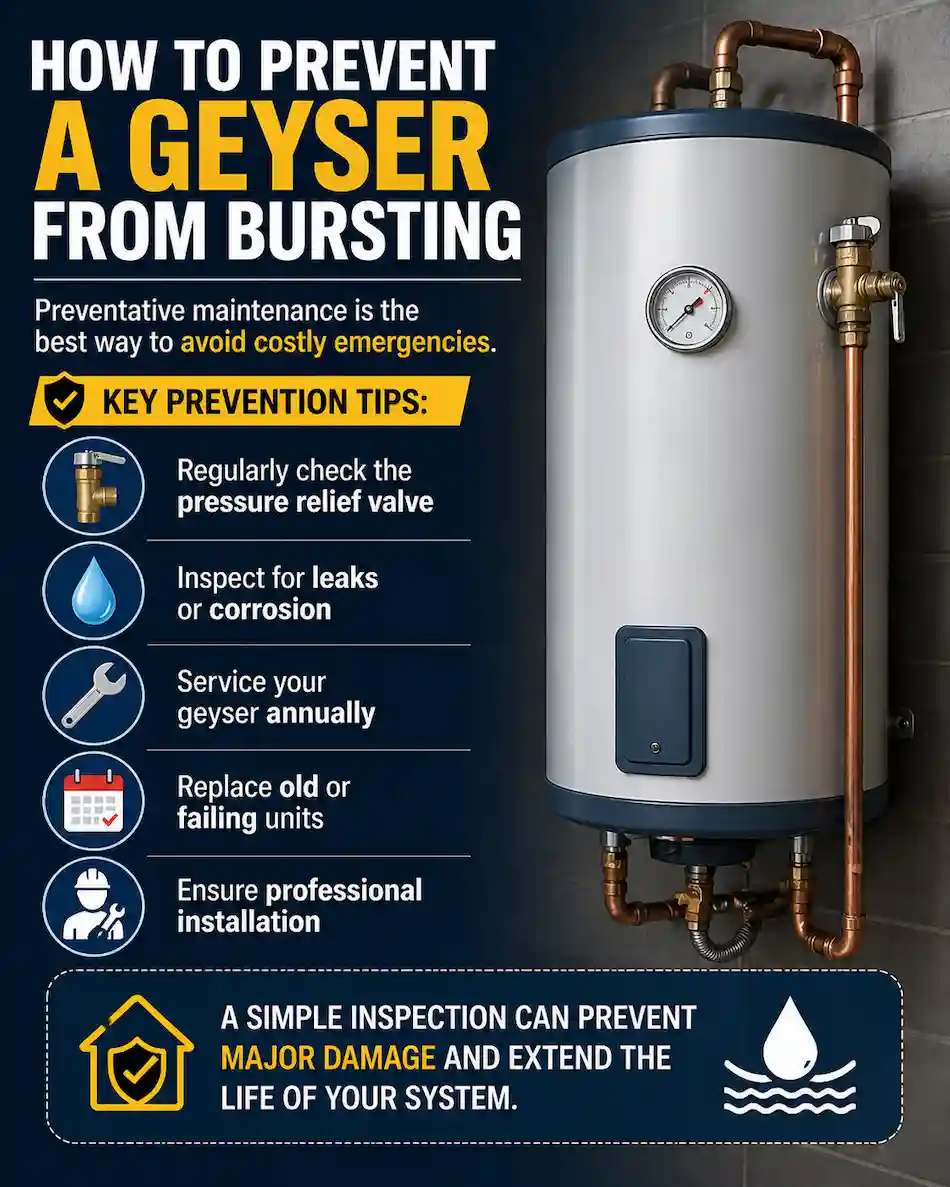
By identifying early warning signs, you can prevent total system failure and ensure your household stays safe and dry.
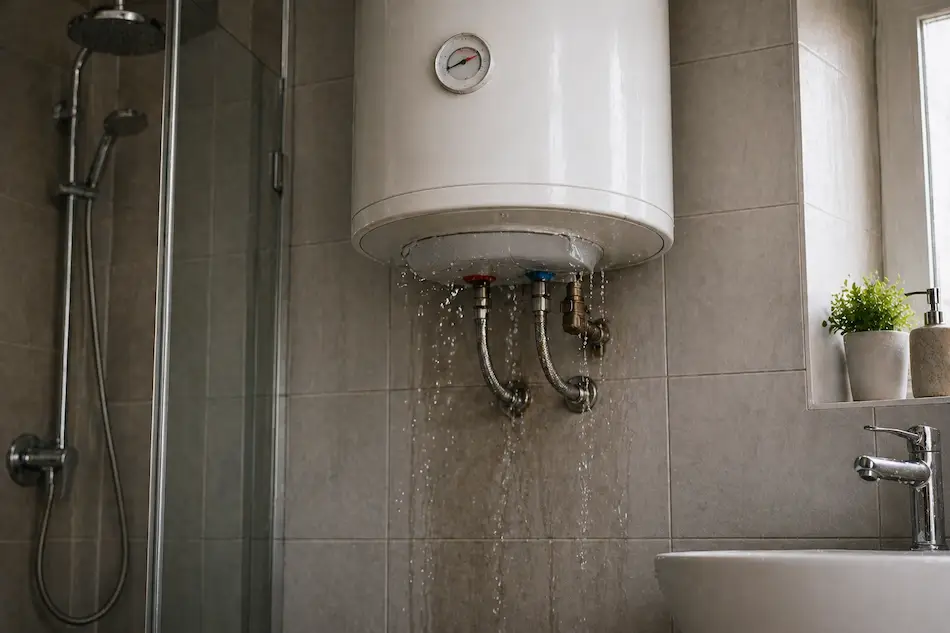
When a geyser fails or bursts, the internal tank can rupture due to pressure or corrosion. This often leads to:
1. Excessive Pressure Build-Up
The most common cause is pressure inside the tank exceeding safety limits. This typically happens when the relief valve is faulty or the thermostat malfunctions.
2. Thermostat Failure
A faulty thermostat can cause water to overheat dangerously, resulting in increased internal pressure and a high risk of rupture.
3. Corrosion and Aging
Mineral build-up and rust weaken the tank over time. Most units last 8–10 years before requiring a full replacement.
24/7 Emergency Plumbing Services Available